
%20CMYK.jpg)




If you run a small or medium-sized building firm in the UK, you'll know that marketing a construction company isn't like marketing most other businesses. Your customers aren't browsing a shop shelf or scrolling an app looking for a builder on a whim; they're triggered into action by a specific event: they've decided to extend the kitchen, convert the loft, or knock down a wall. The trick is finding out who those people are at the exact moment they're making that decision, and getting in front of them before your competitors do.
That's exactly why direct mail (actual letters through actual letterboxes) has quietly remained one of the most effective channels for builders, even in 2026. It's not glamorous, but it works, because it's built around timing rather than luck.
Why timing beats reach
Most marketing advice for SMEs pushes builders towards social media, Google Ads, or a nicer website. Those channels have their place, but they all rely on a homeowner actively searching for you or happening to see your ad at the right moment. Direct mail flips that around. Instead of waiting to be found, you go looking for homeowners who have just shown a very specific, very strong signal of intent: they've submitted a planning application.
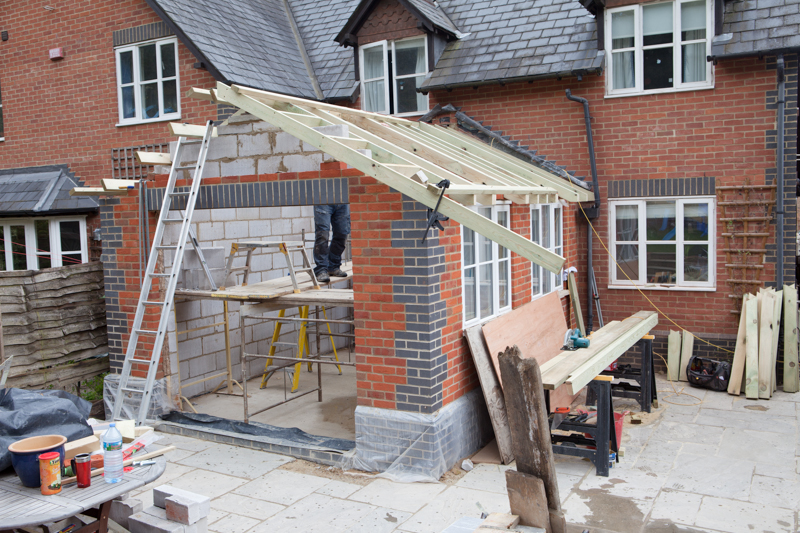
Someone who has just applied for planning permission for an extension isn't a "maybe, someday" lead. They're actively planning a project, they usually don't have a builder locked in yet, and they're about to start collecting quotes. A well-timed letter landing on their doormat in that window, professional, local, and relevant to their exact project, puts you in the conversation before the bigger national firms even know the job exists.
The council portal route, and its problem
Here's the part most builders already know but rarely act on consistently: every UK local authority publishes planning applications on its own online planning portal, such as Westminster City Council's planning applications portal. In theory, you could go trawling through each council's portal, borough by borough, looking for new applications that match the kind of work you do (extensions, loft conversions, new builds) and then track them, download the drawings, and write to the homeowner yourself.
In theory. In practice, this is where most SME builders fall down, not because the idea is wrong, but because the execution is brutal:
- Every council portal looks and works differently. There's no standard format, so you're learning a new interface for each area you cover.
- Applications need checking daily, or you miss the early window that makes the outreach worthwhile.
- Filtering by project type and scope means opening dozens of documents just to find the handful that are actually a fit for your business.
- There's no built-in way to actually contact anyone. The portal tells you an application exists; it doesn't send the letter, design it, print it, or track whether it worked.
Add it up and you're looking at hours a week of manual, repetitive admin: time a small building firm rarely has spare, and which pulls the owner or office manager away from running actual jobs. Many builders start doing this, get a few good leads, and then quietly stop a few months in because it simply isn't sustainable alongside everything else.
Why Buildscout solves the actual problem
This is where a platform like Buildscout earns its place in a construction marketing strategy. Rather than replacing the logic of the council portal approach, it automates the parts that make it unworkable by hand.
Buildscout pulls planning application data from councils across the UK, updated daily, into one place, so there's no more toggling between dozens of local portal websites. It lets you filter by location, project type, and even keywords inside the submitted drawings and documents, so you're only looking at applications that genuinely match your trade and capacity, rather than wading through irrelevant listings.
Crucially, it doesn't stop at finding the lead. Buildscout handles the outreach itself: professionally designed direct mail campaigns, sent automatically, with follow-ups timed to match how planning projects actually progress from application to decision to build-ready. You get alerts, tracking, and a dashboard showing what's gone out and what's landed, the visibility that manual council portal searching simply can't give you.
The results from firms already doing this speak for themselves. One family-run construction business went from an unpredictable pipeline to building a £4 million forward pipeline with around 20 well-matched leads a month. Another design-and-build firm now gets 10-20 enquiries a month from a fully managed outreach process, and a high-end specialist builder reported a 30% boost in client response rates after switching from manual prospecting to a managed platform.
The bottom line
Direct mail works for marketing a construction company because it targets homeowners at the exact moment they need a builder. Council portals prove the data is there; the problem has always been the time it takes to use it manually.
See how Buildscout does all of the above for you. Book a free demo today.

.webp)
%401x.webp)







.png)