
%20CMYK.jpg)


If you’re targeting construction work in London, knowing where demand is strongest gives you a major commercial advantage. Using Buildscout, we analysed planning applications submitted across London and identified the top five types of construction leads currently driving activity in the city.
Extensions
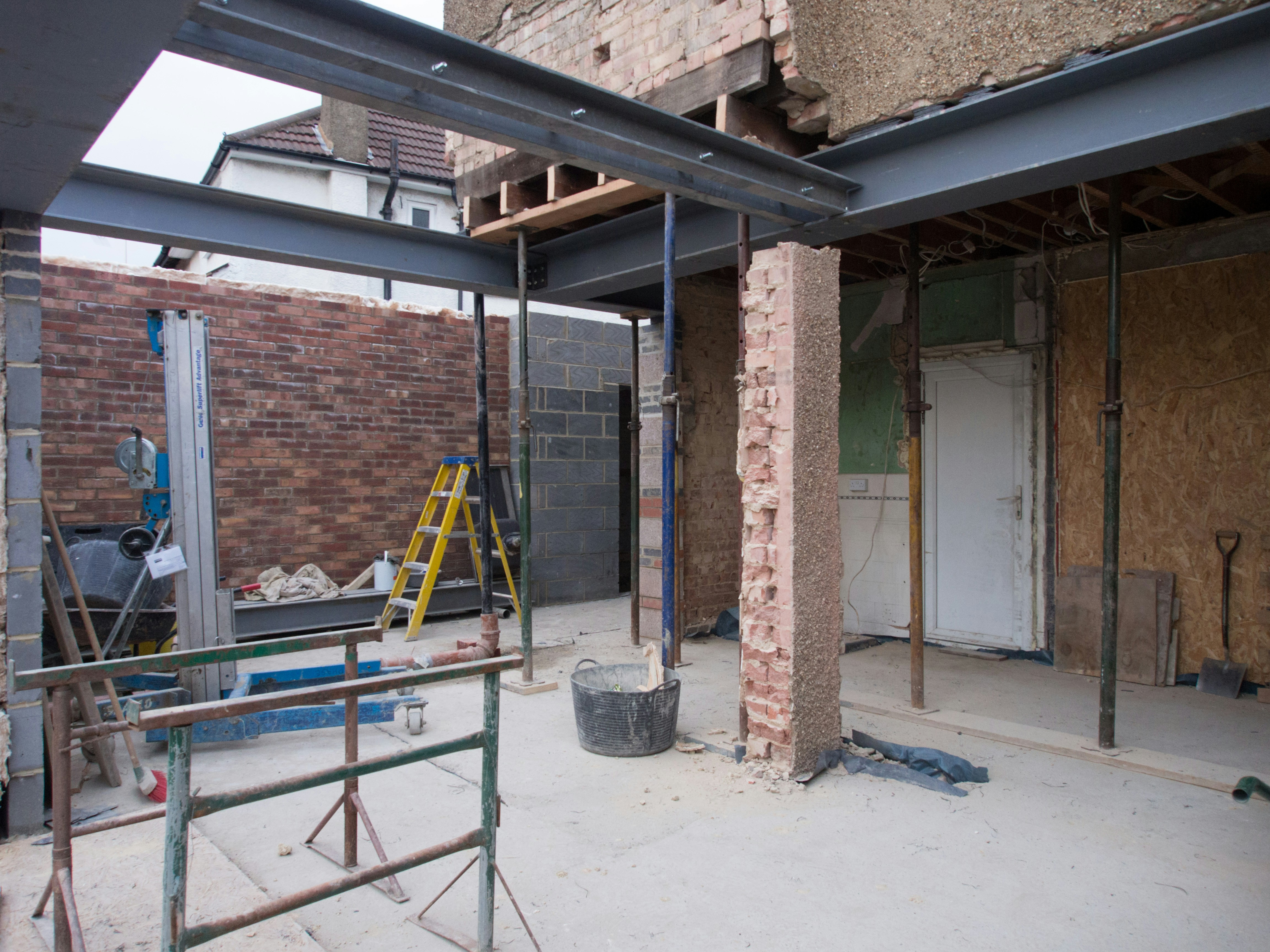
Extensions dominate the London market, with 5,698 planning submissions recently. These projects mainly consist of single-storey side and rear extensions however there are some larger two-storey applications that have been submitted.
What this tells us:
Homeowners across London are investing in improving their current properties rather than moving. For contractors, this means a high-volume, repeatable pipeline of residential work, often with faster decision-making cycles compared to larger developments.
Roofing
Roofing is the second most active category with 3,476 applications. Recent submissions include roof extensions with gable end alterations, rear dormer windows and multiple front-facing rooflights.
What this tells us:
Many roofing projects involve structural improvements rather than simple repairs, creating higher-value opportunities for contractors and potential for additional related work.
Windows and Doors
Windows and doors projects are the third most active category in London, with 2,520 planning applications. Recent submissions include replacing windows and external doors, adding traditional timber garage doors, installing front entrance canopies, and minor internal and external improvements.
What this tells us:
These projects are typically smaller in scope but provide quick-turnaround work and repeat opportunities, making them ideal for contractors targeting residential upgrades and light commercial modifications.
Demolition
Demolition projects account for 1,515 applications, rRecent submissions include demolishing existing rear extensions, garages, and outbuildings to make way for new single-storey extensions, wraparound additions, or garden offices.
What this tells us:
Much of London’s demolition work is tied to residential improvement and expansion. Contractors with expertise in small-scale demolitions can tap into consistent, high-intent projects that often lead directly to new construction work.
New Builds
New builds are the fifth most active category in London, with 1,267 planning applications. Recent submissions include converting offices or existing dwellings into flats, creating self-contained residential units, and modifying internal layouts with associated parking, refuse, and cycle storage.
What this tells us:
London’s new-build opportunities often focus on maximising existing space rather than large-scale developments. Contractors targeting conversions and residential reconfigurations can secure high-intent, higher-value projects with defined scopes.
The Big Picture
Across all five categories, one trend is clear: London’s construction market is large, diverse, and heavily driven by residential improvement and space maximisation. Extensions and roofing dominate in volume, while windows and doors, demolition, and new builds show strong activity in smaller-scale but high-intent projects. Importantly, these are real planning-submitted projects, not speculative enquiries, meaning homeowners and developers have already committed to work with defined scopes and timelines.
For contractors, this data highlights where demand is highest and where proactive targeting can win both high-volume residential improvements and higher-value conversion or structural projects, giving a competitive advantage in one of the UK’s busiest construction markets.
This data comes directly from Buildscout, based on daily updated planning submissions across London. If you’re a contractor working on extensions, roofing, windows and doors, demolition, or new builds, you can use Buildscout to reach homeowners early in the process, build trust, and secure projects before they turn into a race to the bottom.


.png)





.jpg)










.png)